Comparisons
Side by side breakdowns of frameworks, architectures, and approaches. Written by engineers who have shipped startup and enterprise-scale systems.
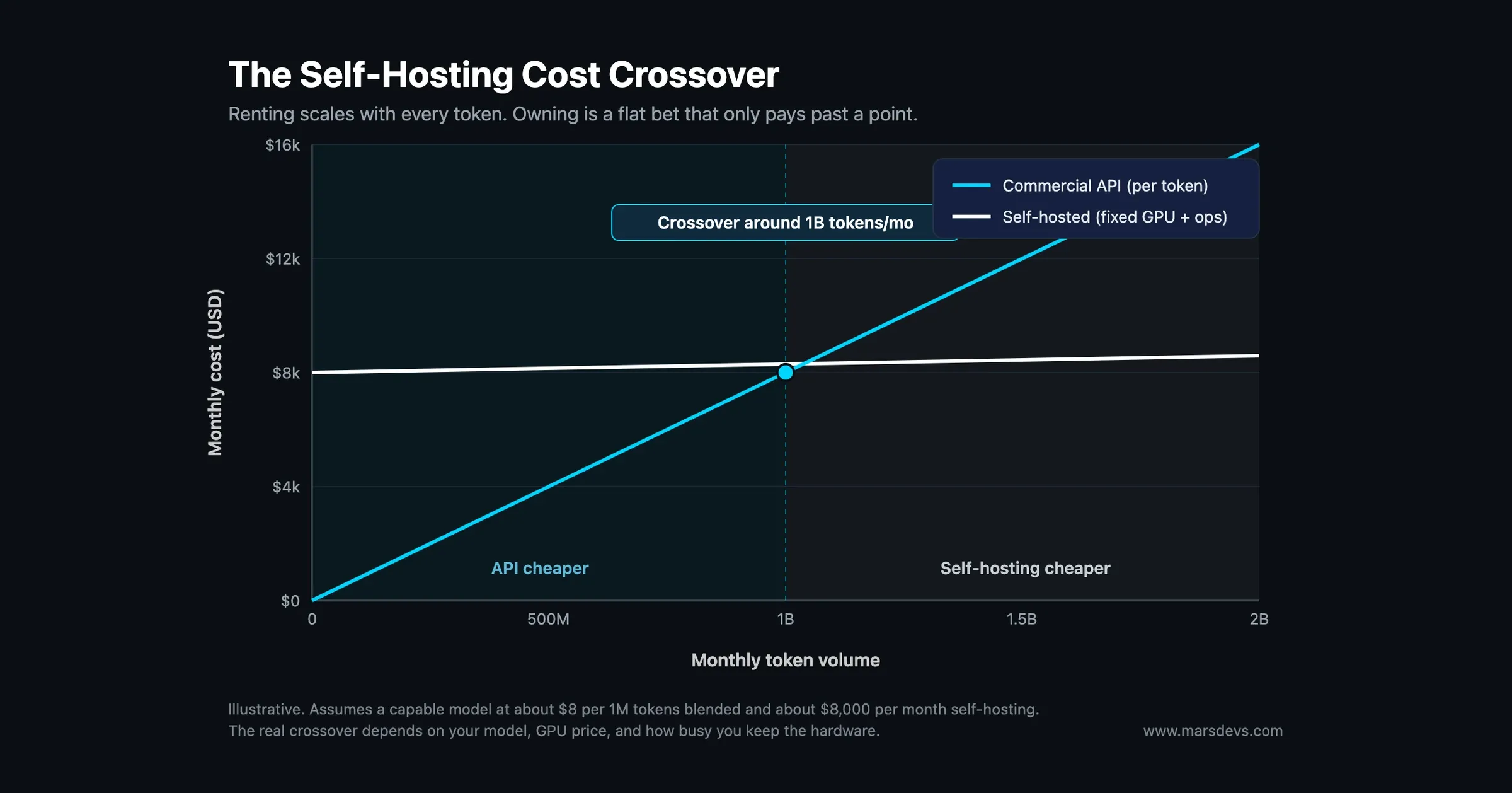
Self-hosting an open-weights model beats a commercial API only past a measurable threshold. The real cost crossover, the privacy and latency axes, and a decision matrix by use case.
Read Comparison
The best vector database is usually the one you already run. When it is not, here is how to choose among pgvector, Qdrant, Pinecone, Milvus, and the rest.
Read Comparison
There is no single best LLM observability tool, only the best one for your stack. A field guide to LangSmith, Langfuse, Arize, Braintrust, Opik, and more.
Read Comparison
70% of modern SaaS runs multi-tenant on Postgres RLS. The other 30% have a reason. Pool, silo, bridge — when each wins, with the AWS SaaS Lens vocabulary and copy-paste-ready RLS code.
Read Comparison
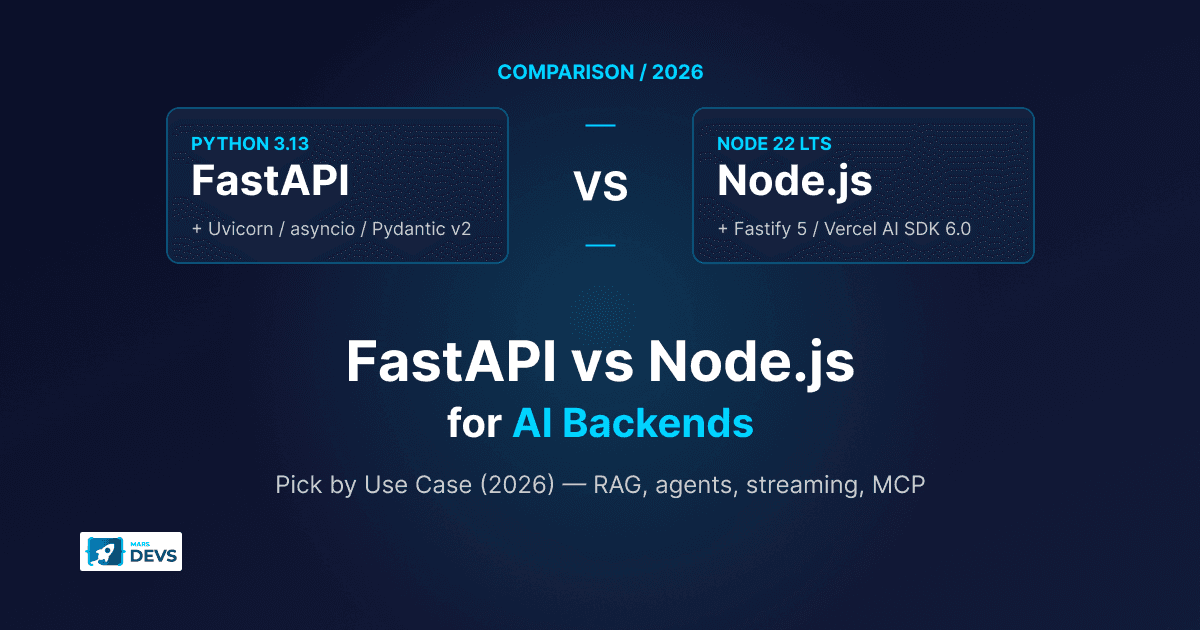
Python or Node for your AI backend? FastAPI wins for RAG and agent orchestration. Node wins for streaming UI and TS-first teams. The decision matrix and the split-stack pattern.
Read Comparison
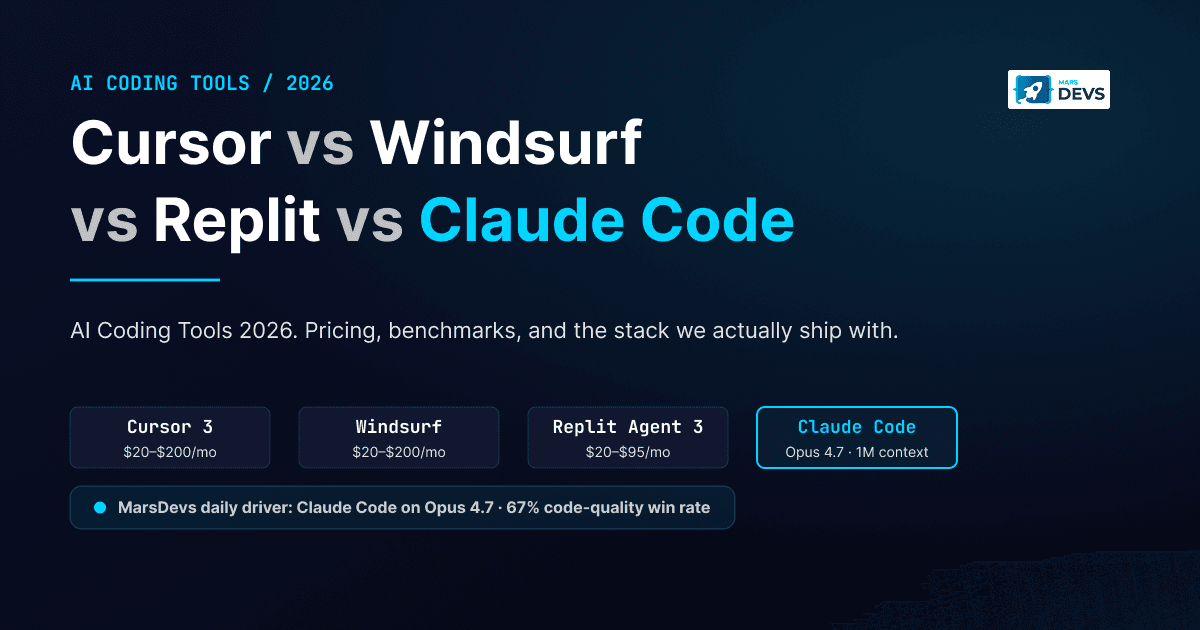
We use Claude Code daily. Here is the verified 2026 comparison: pricing, features, benchmarks, and the use-case decision matrix. The team that ran 8 sub-agents in parallel on this very article.
Read Comparison

There is no single best LLM provider. OpenAI offers the broadest ecosystem and strongest agentic tooling. Anthropic leads coding benchmarks with 1M-token context at standard pricing. Google delivers the best price-to-performance with context windows up to 2M tokens. Most production AI products in 2026 benefit from a multi-provider strategy. This comparison covers pricing, benchmarks, API features, enterprise readiness, and a decision framework from a team that builds with all three.
Read Comparison

LlamaIndex wins for retrieval-heavy apps (document Q&A, search, knowledge bases) with 40% faster retrieval and built-in chunking. LangChain (now LangGraph for production) wins for complex agentic workflows with stateful orchestration. Most production RAG systems in 2026 use both: LlamaIndex for retrieval, LangGraph for orchestration.
Read Comparison

LangGraph is the production standard for complex workflows. CrewAI is fastest to prototype. AutoGen is in maintenance mode. Here is how to choose.
Read Comparison

RAG is for knowledge. Fine-tuning is for behavior. Most production AI systems in 2026 use both. Here is how to decide for your product.
Read Comparison
Partner with our team to design, build, and scale your next product.
Let’s Talk